Industry News
Brand management: mastering your brand image

Brand management: mastering your brand image
Brand management, or brand governance, refers to the actions a company puts in place to steer its brand image. In an environment marked by the growing number of marketing content pieces and communication channels, it becomes essential to ensure brand consistency. Understanding the branding meaning and the branding definition helps to build a clear branding strategy and better master brand image over the long term.
Brand management and the definition of branding
Branding definition and branding meaning
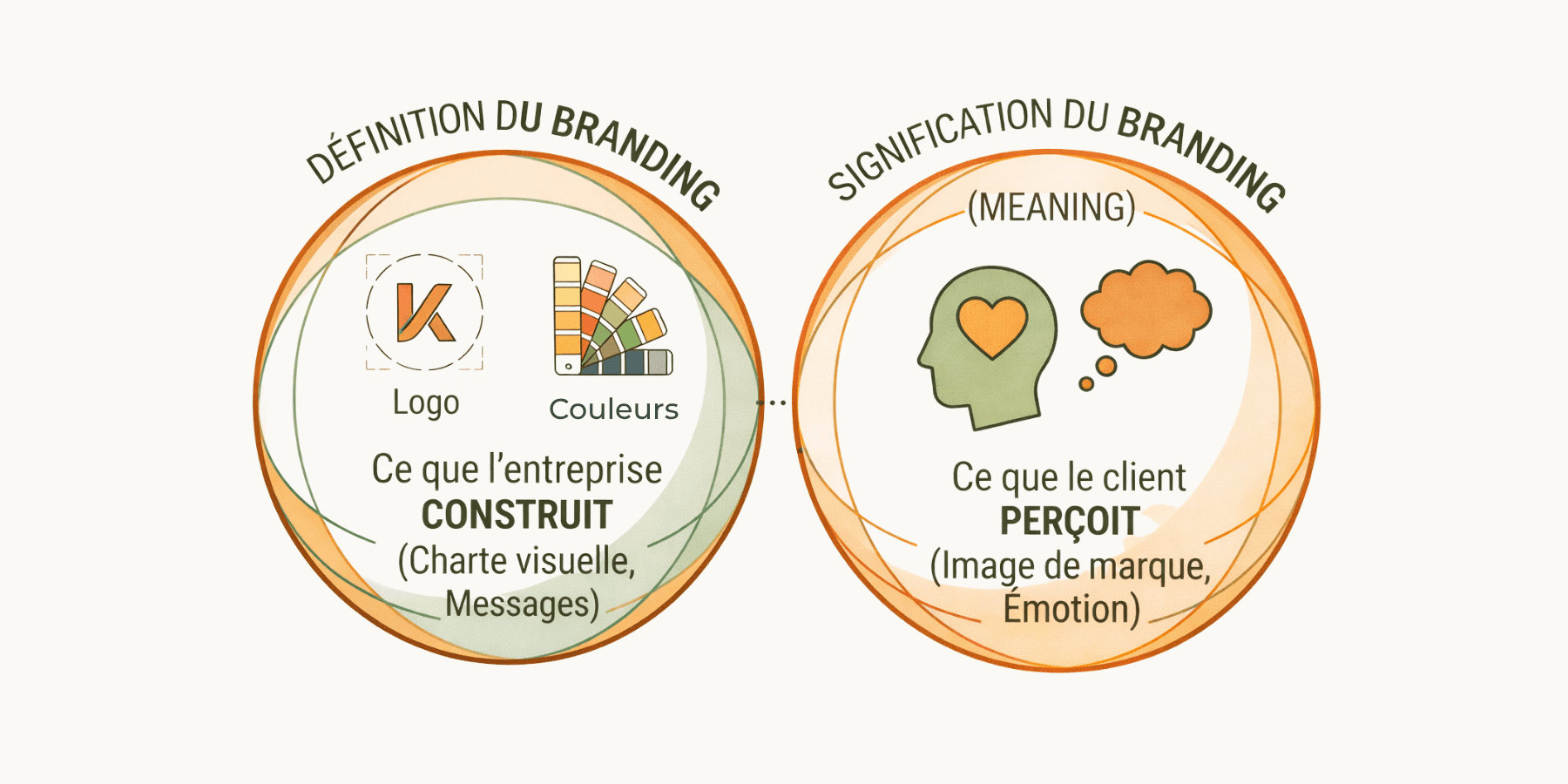
Brand management is based on the way a company builds and controls its image. The branding definition brings together the elements that make it possible to exist in consumers’ minds, while the branding meaning corresponds to the overall perception of the brand.
Asking what branding is helps us understand that a brand is not limited to a simple logo. It includes the colour palette, the visual identity guidelines, the messages and all points of contact with the audience.
Brand management and brand marketing
Brand management fits into a brand marketing and brand marketing strategy. It consists of steering all the actions that influence the image perceived by the customer across all communication channels.
Effective brand management makes it possible to create a lasting connection with the target audience and improve the customer experience. It also helps to build a clear strategy around the products and services offered.
Challenges of brand management
Companies must now manage a growing number of marketing content pieces in a digital marketing context. This evolution makes management more complex and requires a rigorous implementation of processes.
Without a clear brand strategy, communication campaigns become inconsistent. This affects brand image and reduces the effectiveness of advertising campaigns over the long term.
Branding strategy and brand consistency
Putting a branding strategy in place
Putting a branding strategy in place consists of structuring marketing actions to ensure brand consistency across all formats. This implementation is based on a good understanding of the target audience and market research.
A well-defined strategy makes it possible to develop a clear communication strategy and improve decision-making. It also makes it easier to create marketing content aligned with the objectives.
Brand and branding strategies
Brand and branding strategies bring together the actions that make it possible to build a strong and distinctive brand image. They rely on a global vision and consistency across all points of contact.
An effective strategy makes it possible to positively influence consumers’ minds and strengthen recognition. It is part of a long-term approach and supports overall performance.
Editorial and visual consistency
Editorial consistency is based on consistency in messages and tone across all communication channels. It helps to ensure communication that is clear and easy for the target audience to understand.
Visual consistency relies on the visual identity guidelines and colour palette. It helps ensure a strong and recognisable identity, like that of iconic brands such as Coca-Cola.
Brand marketing and marketing content
Managing marketing content
Marketing content is at the heart of brand management, because it makes it possible to distribute the brand’s messages on websites and social media. It plays a key role in communication campaigns.
Managing this content requires clear structuring and the implementation of suitable processes. This makes it possible to maintain brand consistency and improve the quality of marketing actions.
Maintaining message consistency
Message consistency is essential to ensure effective communication. Every piece of content must be aligned with the brand strategy defined beforehand.
Consistent communication helps to strengthen brand image and improve the customer experience. It also helps to create a stronger bond with the target audience.
Structuring content creation
Structuring content creation helps improve the quality and regularity of publications. This involves defining simple working methods suited to teams.
Implementing a clear workflow helps to organise the workflow and make content approval easier. This approach saves time and reduces errors.
The challenges of brand management today
The proliferation of communication channels
Companies communicate across many communication channels, especially in digital marketing. This diversity makes brand management more complex and harder to steer.
Maintaining brand consistency across all formats becomes a challenge. Without structure, messages can quickly lose clarity and impact.
Lack of centralisation
Content is often scattered across different tools, which complicates project management and tracking. This dispersion makes teamwork more difficult.
The lack of consolidated information limits teams’ ability to work smoothly. It also increases the risk of errors in marketing content.
Difficulty tracking performance
The lack of suitable tools makes it difficult to track performance and make decisions. Teams lack visibility over the results of advertising campaigns.
Without a dashboard, it becomes complicated to see the results clearly and adjust the strategy. This slows progress and limits performance.
Implementing a brand management strategy
Defining a clear editorial line
A clear editorial line helps structure communication and ensure brand consistency across all touchpoints. It defines the messages, tone and values.
This foundation makes content creation easier and helps align teams. It also helps strengthen brand image among the target audience.
Structuring processes
Implementing an effective strategy requires structuring work processes and improving how teams operate. This makes it possible to manage communication campaigns more effectively.
A clear workflow improves the flow of work and makes teamwork easier. This organisation saves time and produces more consistent content.

Tracking performance
Performance tracking is essential to improve branding strategy and adjust marketing actions. It helps identify the most effective levers.
A dashboard makes it possible to see the results clearly and facilitate decision-making. This approach enables continuous progress and better results.
Smartevo: structuring your brand management
Centralising content
Smartevo makes it possible to bring all marketing content together in a single tool. This approach improves brand management and makes team working easier.
Companies can thus structure their communication campaigns and ensure brand consistency across all communication channels. This improves overall performance.
Smoothing collaboration
The platform simplifies teamwork between marketing and communications teams by bringing exchanges together. Information is accessible and better organised.
This approach helps reduce errors and improve the quality of marketing content. It also makes it easier to implement advertising campaigns.
Improving brand consistency
Smartevo makes it possible to structure workflows and maintain editorial consistency across all marketing content. Teams can produce content aligned with their brand strategy.
This approach improves brand image and strengthens the customer experience. It also helps improve marketing results over the long term.
Brand management is now a strategic lever for companies. By structuring their branding strategy, organising their marketing content and using tools such as Smartevo, they can strengthen their brand consistency, create a lasting connection with their target audience and improve their results over the long term.
